
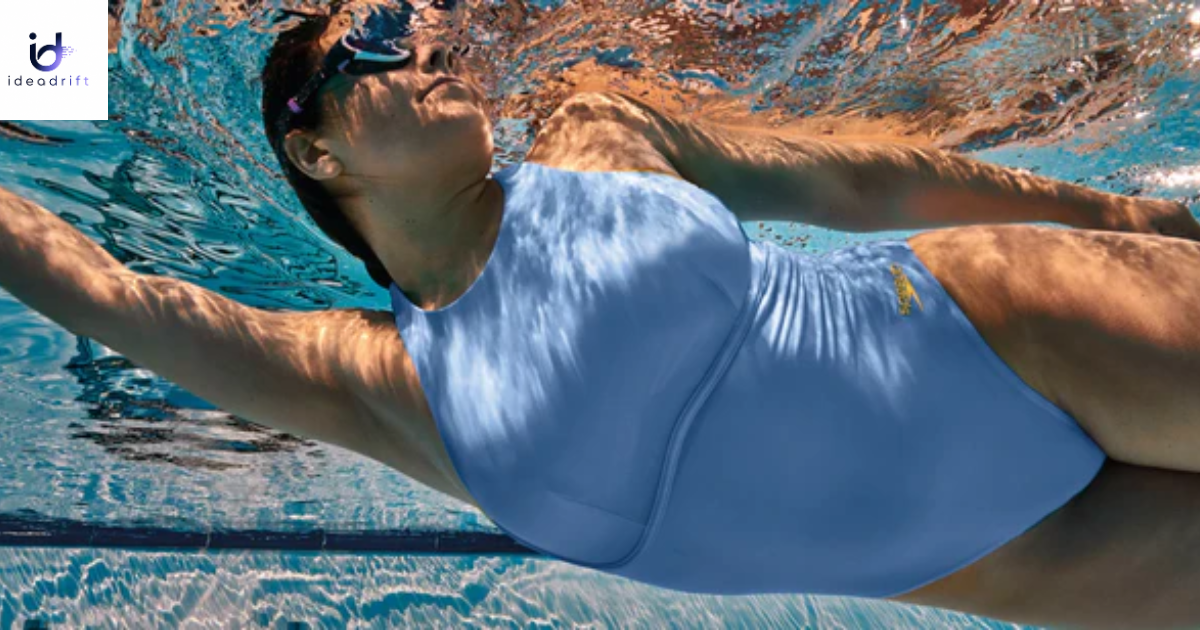
Ever found yourself by the pool or at the beach with no swimsuit on hand and a sports bra available? It’s a common dilemma – you want to swim but don’t want to risk damaging your favourite workout gear. The question arises: can you swim in a sports bra? Let’s explore whether this makes sense and when it’s okay—or not—to wear a sports bra in the water.
Swimwear is an essential part of any water activity, whether you’re lounging by the pool, swimming laps, or enjoying a day at the beach. However, what happens when you find yourself without a proper swimsuit but still want to dip into the water? Many people have wondered if a sports bra can serve as an alternative to traditional swimwear.
The question of whether you can swim in a sports bras isn’t just about convenience—it’s also about comfort, durability, and functionality. Swimming in a sports bra is a quick fix for a spontaneous swim, but you may also wonder if it’s suitable for more regular use in the water. What happens to the fabric when exposed to chlorine or saltwater? Can you rely on it for support and comfort, or will it fall short compared to a real swimsuit?
Table of Contents
Understanding Sports Bras
What Are Sports Bras?
Sports bras are specially designed to provide support during physical activities, particularly those that involve high-impact movements like running, jumping, or aerobics. They minimise breast movement, preventing discomfort or injury while exercising. Sports bras are made with stretchy materials that conform to the body and offer varying degrees of compression depending on the design (e.g., high support for running or lower support for yoga).

Materials Commonly Used in Sports Bras
Most sports bras are made from a blend of polyester, nylon, and spandex or elastane. These materials are chosen for their ability to wick away moisture, stretch, and breathe. Polyester and nylon are durable and lightweight, while spandex or elastane gives the fabric flexibility and stretchiness. While these materials are fantastic for moisture management during workouts, they aren’t designed for prolonged exposure to water.
Purpose and Functionality
The purpose of a sports bra is to reduce movement and provide support, ensuring comfort while you exercise. They’re meant to keep you dry, comfortable, and free from chafing during activities like jogging, cycling, or weightlifting. However, this functional design doesn’t translate well to water activities. Sports bras are not intended to manage water exposure, and this becomes an issue when you try to wear one in the pool or ocean for an extended period.
Differences Between Sports Bras and Swimwear
Designed Purposes
Sports bras are engineered for land-based activities, prioritising support and chest stabilisation. Swimwear, on the other hand, is designed with water resistance in mind, made to withstand the challenges of wet environments. Swimwear materials are intended to keep water out, dry quickly, and provide comfort during aquatic movement.
Material Differences
Regarding fabric, swimwear is built with materials like lycra, spandex, and nylon, but these are treated to ensure quicker drying times and resistance to chlorine and saltwater. In contrast, sports bras are more absorbent, soaking up water quickly and becoming heavy when immersed. This added weight can lead to discomfort and drag while swimming.
Durability in Water Environments
Swimming in a sports bra regularly can shorten its lifespan. Saltwater and chlorine break down the elastic fibres in the fabric, leading to a loss of support and elasticity. Sports bras are not engineered to handle the constant stretch and exposure of swimwear, meaning that frequent use in water will lead to quicker wear and tear.
Can You Swim in a Sports Bra?
While the answer is technically yes, it’s not ideal for regular or competitive swimming. The fabric of sports bras is not designed for water immersion. However, in certain situations, swimming in a sports bra may work, especially if you’re in a pinch or just taking a casual dip.

Scenarios Where It’s Okay
- Spontaneous swimming: If you’re taking an impromptu swim and don’t have a swimsuit on hand, a sports bra can work in a pinch.
- Casual swimming: For light, recreational swimming (e.g., lounging at the pool or wading in the ocean), a sports bra can provide the support and coverage you need without causing too much discomfort.
Scenarios Where It’s Not Advisable
- Competitive swimming or vigorous water activities: A sports bra is not the best choice if you’re swimming laps, participating in water sports, or engaging in any activity that involves significant movement.
- Frequent swimming: If you swim regularly, it’s best to invest in proper swimwear to protect the longevity of your gear and ensure comfort and performance.
Pros of Swimming in a Sports Bra
Comfort and Support
One of the biggest benefits of wearing a sports bra in the water is comfort. Sports bras are designed to provide ample support, so you won’t have to worry about discomfort or unnecessary movement while swimming.
Convenience for Impromptu Swimming
If you unexpectedly find yourself at the beach or pool, a sports bra can be a convenient alternative to a swimsuit. It’s a quick solution if you don’t have time to change into a proper bikini or one-piece.
Coverage Benefits
A sports bra can offer more coverage than a typical bikini top, which might feel more modest for those who prefer not to expose too much skin while swimming.
Cons of Swimming in a Sports Bra
Water Absorption Issues
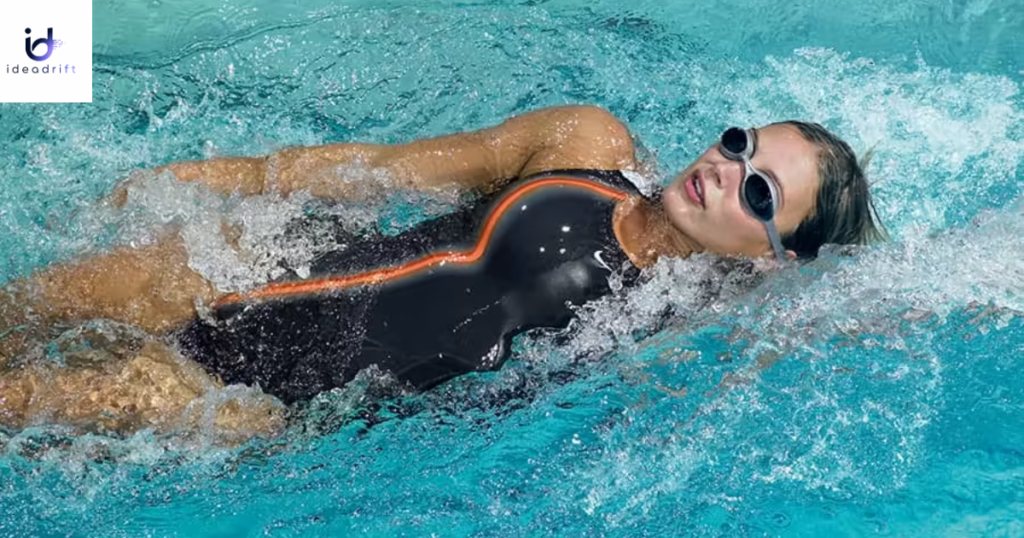
The biggest downside to wearing a sports bra in the water is that it absorbs water. Unlike swimwear designed to repel water, a sports bra will soak it up, making it heavier and potentially uncomfortable.
Long-Term Durability Concerns
With frequent exposure to chlorine and saltwater, the materials of the sports bra will degrade. The elastic fibres will lose their stretch, and the fabric can begin to fray, reducing its effectiveness over time.
Potential for Discomfort
Sports bras are not designed to remain wet for long periods. As they soak up water, they can become uncomfortable and may even cause chafing, especially if you swim for long durations.
Sports Bras vs. Swim Bras
Swim bras are specially designed for use in the water. They are made from quick-drying, water-resistant materials, and are built to withstand exposure to chlorine and saltwater. If you enjoy swimming regularly or doing water sports, a swim bra is a far better option. It offers support, comfort, and durability in ways that a sports bra simply cannot.
Factors to Consider When Swimming in a Sports Bra
When deciding whether to swim in a sports bra, consider these factors:
- Type of water: Pools with chlorine or saltwater beaches can damage the fabric faster.
- Frequency of use: It’s fine to use a sports bra for a one-time swim, but don’t make it a habit.
- Care and maintenance: Proper washing and drying techniques can help extend the life of your sports bra when used for swimming.
How to Choose the Right Sports Bra for Swimming
If you do choose to swim in a sports bra, look for one made from moisture-wicking, quick-drying material. Avoid bras with too much padding or underwire, as these can cause discomfort in the water. Ensure the fit is snug but not restrictive to avoid drag or discomfort while swimming.
Alternative Swimwear Options
For those who swim frequently or want to ensure the best performance in the water, consider options like swim tops, tankinis, or hybrid designs. These support a sports bra with the quick-dry functionality of swimwear.
Caring for a Sports Bra Used for Swimming
After swimming in a sports bra, rinse it immediately to remove chlorine or saltwater. Hand wash with mild detergent and air dry away from direct sunlight to preserve the fabric’s elasticity and shape. Avoid machine drying, as the heat can damage the material.
Expert Recommendations
Experts recommend using proper swimwear for water activities to ensure both the comfort and longevity of your gear. Swimwear is designed with water exposure in mind, while sports bras are built for land-based activities.
FAQ’s
Can you wear a sports bra for swimming laps?
No, sports bras are not designed for long-term water exposure, and they will absorb water, becoming uncomfortable for lap swimming.
How do sports bras hold up in saltwater?
Saltwater can degrade the elastic fibres in a sports bra, leading to a loss of support and structure over time.
Is it safe to swim in a sports bra regularly?
No, it’s better to use swimwear for regular swims to protect your sports bras from water damage and maintain their effectiveness.
What alternatives are there for spontaneous swims?
If you’re caught without swimwear, consider tankinis or athletic swimwear. These garments provide similar support and comfort to a sports bra but are designed for water use.
Can sports bras be treated to resist water damage?
While you can’t make a sports bra fully water-resistant, proper care, such as rinsing after use and air-drying, can help extend its life.
Conclusion
While swimming in a sports bra is possible, it’s not the best solution for frequent or serious swimmers. Sports bras are designed for support during exercise, not for prolonged water exposure. For optimal comfort and performance in the water, invest in swim-specific gear designed to handle the demands of aquatic environments.