
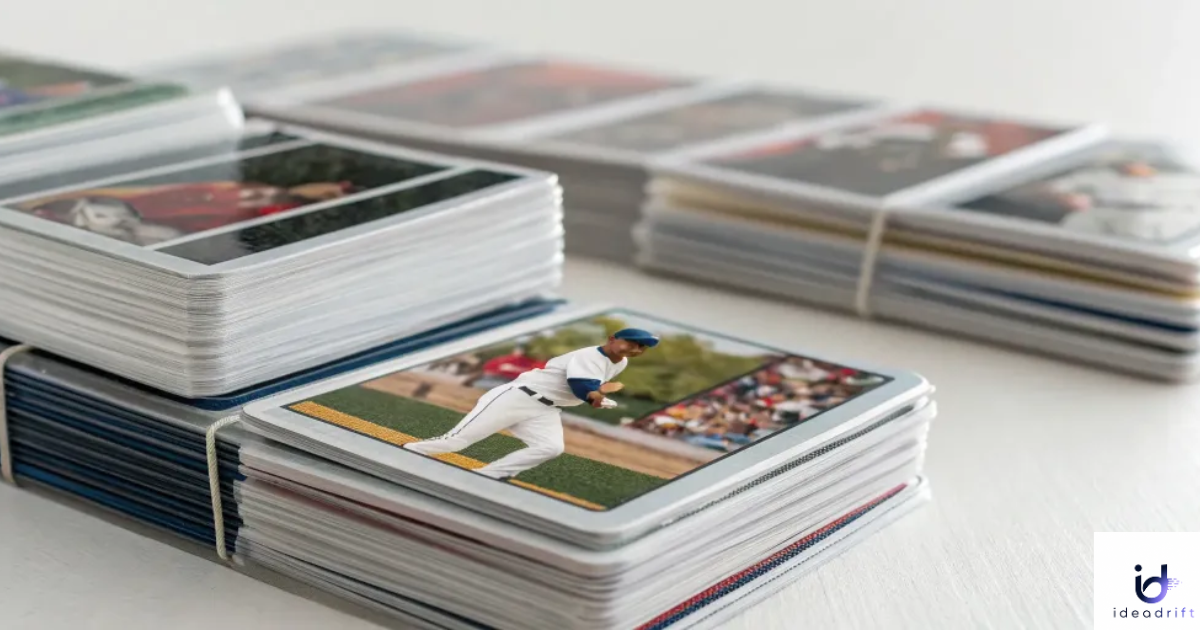
Have you ever stumbled upon a dusty shoebox filled with old sports cards and wondered if they might be worth a fortune? Sports cards are more than just collectables; they’re windows into the past, capturing the faces of legendary athletes and the spirit of the games they played. These pieces of cardboard evoke nostalgia, connecting us to childhood memories of trading cards with friends or idolising our favourite players.
But beyond the sentimental value, some sports cards can indeed hold significant monetary worth. Understanding their value involves delving into history, rarity, condition, and market trends. Let’s explore what makes these cards special and whether they could be your ticket to unexpected riches.
Table of Contents
The Evolution of Sports Cards
Early Days of Sports Cards
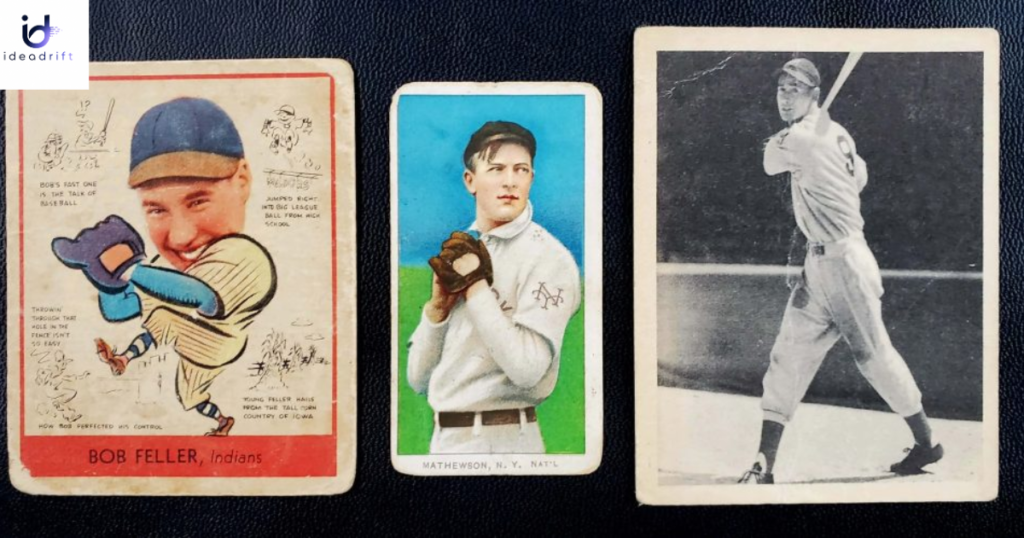
Sports cards trace their origins back to the late 19th century. Initially, they were included as promotional items in cigarette packs, known as “tobacco cards.” These cards often featured baseball players, helping to popularize America’s pastime. One of the most iconic cards from this era is the Honus Wagner T206 card, which has become a holy grail for collectors due to its rarity and historical significance. These early cards set the foundation for the collectible sports card industry.
Golden Era of Sports Cards
The mid-20th century, particularly the 1950s through the 1980s, is often called the golden era of sports cards. Companies like Topps, Fleer, and Bowman emerged, producing cards that became staples in the lives of young sports fans. This era saw the release of cards featuring legendary athletes like Mickey Mantle, Willie Mays, and Hank Aaron. These cards were often traded in schoolyards, tucked into bike spokes, or cherished in albums, cementing their place in American culture.

Modern-Day Challenges
The 1990s introduced a significant challenge for the sports card industry: overproduction. This period, often called the “Junk Wax Era,” saw an oversaturation of the market, leading to a decline in the value of many cards from this time. While some cards from the 90s are valuable, most suffer from diminished worth due to their abundance. However, this era also taught collectors valuable lessons about scarcity and the importance of condition.
Determining the Value of Old Sports Cards
Rarity and Scarcity
Rarity plays a crucial role in determining a sports card’s value. Cards with limited print runs, unique variations, or production errors are often highly sought after. For example, error cards—those with printing mistakes—can fetch a premium if they’re rare. Additionally, autographed cards and those featuring game-used memorabilia, like pieces of a jersey or bat, are often more valuable due to their uniqueness.
Player Popularity
The athlete featured on the card significantly impacts its value. Cards of iconic players such as Babe Ruth, Michael Jordan, and Tom Brady consistently command high prices. These athletes are more than sports stars; they’re cultural icons whose legacies transcend their respective games. Collectors often seek cards of players with enduring popularity, ensuring consistent demand.
Condition and Grading
A card’s condition is one of the most critical factors in its valuation. Grading services like PSA (Professional Sports Authenticator) and BGS (Beckett Grading Services) evaluate cards based on criteria such as centring, corners, edges, and surface quality. Cards graded as “Gem Mint 10” are worth significantly more than those with visible wear or damage. Even a minor crease or faded print can drastically reduce a card’s value.
Age and Historical Significance
Older cards often hold more value due to their historical importance. Vintage cards, particularly those from the early 1900s, are prized for their rarity and connection to the roots of sports. Cards from this era are tangible links to the past, capturing the essence of a different time in sports history.
Common Mistakes in Evaluating Sports Cards
Misjudging Condition
Many novice collectors overestimate the condition of their cards. A card that appears pristine at first glance might have subtle flaws visible under magnification. Scrutinising the card’s centring, edges, and surface is crucial to avoid overvaluing it.
Ignoring Grading
Ungraded cards are often perceived as riskier investments. Professional grading provides an objective assessment of a card’s condition, giving buyers confidence in their purchase. Without grading, sellers may struggle to achieve top dollar for their cards.
Overlooking Trends
The sports card market is dynamic, fluctuating values based on player performance, cultural trends, and economic factors. Collectors who fail to stay informed risk undervaluing or overvaluing their cards based on outdated information.

Popular Old Sports Cards Worth a Fortune
Baseball Cards
The Honus Wagner T206 card is arguably the most famous and valuable sports card in history. With fewer than 60 known to exist, it has sold for millions at auction. Other notable baseball cards include Babe Ruth’s 1933 Goudey card and Mickey Mantle’s 1952 Topps card, both of which are highly sought after by collectors.
Basketball Cards
Michael Jordan’s 1986-87 Fleer rookie card is a staple of any high-end collection. Its combination of historical significance and the enduring popularity of Jordan makes it a prized possession. Kobe Bryant and LeBron James rookie cards are also highly valued.
Football and Hockey Cards
In football, Joe Namath’s 1965 Topps rookie card is a classic, while Tom Brady’s 2000 Playoff Contenders rookie card has reached astronomical values. In hockey, Wayne Gretzky’s 1979 O-Pee-Chee rookie card remains a collector’s dream, often selling for six figures.
Where to Sell Old Sports Cards
Online Platforms
The internet has revolutionised the sports card market. Platforms like eBay, StockX, and COMC (Check Out My Cards) allow sellers to reach a global audience. These sites provide tools for listing, pricing, and auctioning cards, making them ideal for collectors looking to maximise their reach.
Local Dealers and Card Shops
Local card shops and dealers offer a more personal approach. While you might not get top dollar compared to online sales, these venues provide convenience and immediate payment. Building relationships with local dealers can also lead to better deals in the long run.
Sports Card Shows
Card shows and conventions are excellent venues for connecting with other collectors and buyers. These events often attract passionate enthusiasts and serious investors, creating opportunities to negotiate favourable deals.
How to Preserve Your Sports Cards
Storage Tips
Proper storage is essential to maintaining your cards’ value. Use protective sleeves and hard cases to prevent physical damage. Avoid stacking cards without protection, which can lead to creases and surface scratches.
Avoiding Environmental Damage
Environmental factors like temperature, humidity, and light exposure can damage sports cards over time. Store your collection in a cool, dry place away from direct sunlight. Consider using silica gel packets to control humidity levels.
The Emotional vs. Monetary Value
Collecting for Passion
For many collectors, the joy of owning sports cards lies in the memories and connections they evoke. These cards represent moments of triumph, camaraderie, and personal milestones, making them priceless to their owners.
Investing for Profit
Others approach sports cards as investments, aiming to buy low and sell high. While this strategy can be lucrative, it requires careful research and an understanding of market trends. Successful investors treat sports cards like any other asset, balancing risk and reward.
Is It Worth Getting Your Cards Graded?
Cost vs. Benefit Analysis
Grading isn’t cheap, with costs ranging from $10 to hundreds of dollars per card, depending on the service and card value. However, graded cards often fetch significantly higher prices, making the investment worthwhile for rare or high-value cards.
When Grading Makes Sense
Grading is particularly beneficial for vintage cards, rare inserts, and cards featuring popular players. If you’re unsure whether to grade a card, consult a professional appraiser or experienced collector for advice.
Trends in the Sports Card Market
Resurgence in Popularity
The pandemic sparked a renewed interest in sports cards as people rediscovered old hobbies during lockdowns. This resurgence has brought new collectors into the market, driving up demand and prices for sought-after cards.
The Role of Social Media
Social media platforms like Instagram, YouTube, and TikTok have become key drivers of the sports card market. Influencers and enthusiasts share unboxing videos, live auctions, and market analysis, creating a vibrant community that fuels excitement and sales.
FAQ’s
How do I find out if my sports cards are valuable?
Research recent sales of similar cards online and consider consulting professional graders or appraisers.
What sports cards are the most valuable today?
Cards featuring legends like Babe Ruth, Honus Wagner, and Michael Jordan are among the most valuable.
Should I sell my old sports cards now or wait?
It depends on market trends and your card’s value. Consulting a professional can provide tailored advice.
How can I tell if my cards are in good condition?
Look for sharp corners, clean surfaces, and centred images. Professional grading is the most reliable way to confirm conditions.
What are some tips for starting a sports card collection?
Focus on players or teams you love, buy from reputable sellers, and educate yourself about the market before making significant investments.
Conclusion
Old sports cards can be worth a fortune, but their value depends on rarity, condition, and market demand. Whether you’re a nostalgic collector or a savvy investor, understanding these factors is essential to unlocking the potential of your collection. Dust off those old shoeboxes and look closer—you might have a hidden gem waiting to be discovered.