
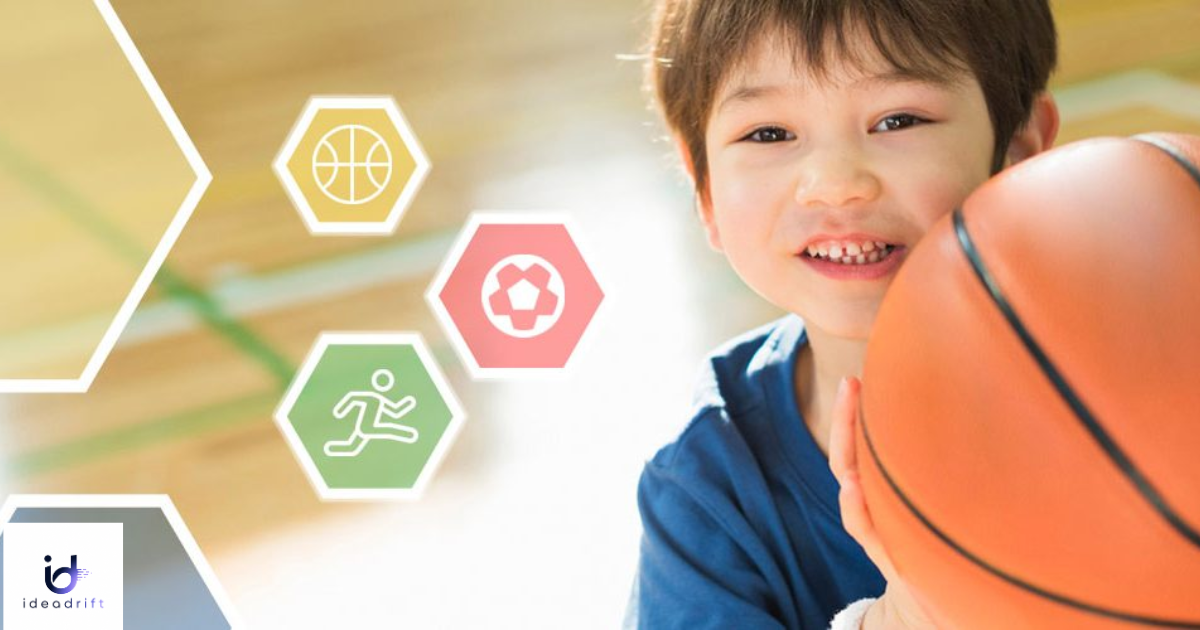
Homeschooling is becoming an increasingly popular choice for families worldwide. With its flexibility, parents can tailor education to meet their children’s unique learning styles and needs. Yet, a common concern is whether homeschooled children miss out on vital social and extracurricular activities, particularly sports. Sports are more than just games—they foster teamwork, build discipline, and promote healthy lifestyles.
Kids Homeschooling has experienced exponential growth in recent years, with more parents choosing this educational path for their children. Whether due to dissatisfaction with traditional schooling, concerns over safety, or the need for a more personalised curriculum, homeschooling offers a unique level of flexibility. According to recent statistics, millions of children worldwide are now educated at home, and the trend shows no signs of slowing down.
However, homeschooling often questions a child’s ability to access extracurricular activities, particularly sports. Sports are not just an avenue for physical fitness—they are crucial for fostering teamwork, discipline, leadership, and emotional resilience. They teach children how to handle wins and losses gracefully and build lifelong friendships. For many parents, ensuring their homeschooled children have access to these benefits is a top priority.
Table of Contents
Can Homeschool Kids Participate in Sports?
The simple answer is yes, but the pathway can differ depending on the family’s location and resources. Homeschoolers have various opportunities to engage in sports, ranging from public school programs to private leagues and community teams. However, legal frameworks and accessibility can vary. Some regions are more inclusive, while others may pose challenges. This variability requires homeschooled families to proactively find and advocate for sports opportunities.
Local School Sports Participation
Laws and Policies by State or Region
In some areas, homeschooled students can join public school sports teams. This inclusion is often governed by state or regional laws. In the United States, for example, homeschoolers in states like Florida, Texas, and Colorado can participate in public school sports under specific conditions. They may need to meet academic and residency requirements or provide proof of their homeschooling status.
The Role of the Tim Tebow Law
The Tim Tebow Law, named after the famous homeschooled athlete Tim Tebow, has been a game-changer for homeschool sports participation. This law allows homeschoolers in participating states to join public school extracurricular activities, including sports. While it’s not implemented nationwide, it has paved the way for greater inclusivity.
Challenges Homeschoolers Face with School Sports
Despite these opportunities, challenges remain. Some school districts may impose additional requirements, like standardised test scores or attendance at specific classes. Additionally, homeschooled students might feel out of place among their traditionally schooled peers. Overcoming these hurdles requires determination and support from parents and local homeschool communities.
Community Sports Leagues
Overview of Community-Based Sports Programs
Community sports leagues are an excellent alternative for homeschoolers. These programs are often organised by local organisations, churches, or recreational centres and are open to all children regardless of their educational background.
Benefits of Joining Local Leagues
Community leagues emphasise fun, skill development, and inclusivity. They allow homeschooled kids to compete and socialise in a more relaxed environment. These leagues are also less restrictive than school-based programs, making them an ideal option for families seeking flexibility.
Examples of Popular Community Sports Options
Common sports offered in community leagues include soccer, basketball, baseball, and swimming. Some communities even host specialised programs like martial arts, gymnastics, or dance, catering to diverse interests.
Private and Club Sports Teams
Differences Between Private Teams and Public School Sports
Private and club teams operate independently of public school systems, offering homeschoolers another pathway to competitive sports. These teams often participate in regional, state, or national tournaments, providing a level of competition that matches or exceeds school programs.
Advantages of Private or Club Teams for Homeschoolers
Private teams provide structured training, skilled coaching, and exposure to competitive events. They’re especially beneficial for homeschooled students aiming for collegiate or professional sports. Moreover, these teams foster a sense of community, as players often bond over shared goals and experiences.
Costs and Accessibility Considerations
While private teams offer numerous benefits, they can be costly. Expenses include registration fees, uniforms, travel, and specialised equipment. Families should weigh these costs against the value of the experience and explore scholarship or sponsorship options if needed.
Benefits of Sports for Homeschool Kids
Engaging in sports provides homeschooled kids with numerous benefits, enhancing their physical, emotional, and social well-being.
Physical Health Advantages
Sports promote physical fitness, helping kids develop strong muscles, improve cardiovascular health, and maintain a healthy weight. Regular physical activity also reduces the risk of chronic illnesses like obesity and diabetes.
Development of Social Skills
Homeschoolers often face criticism for lacking socialisation opportunities. Sports effectively counter this by fostering teamwork, communication, and empathy. Kids learn to work with peers, handle conflicts, and celebrate shared successes.
Building Teamwork and Leadership Abilities
Being part of a team teaches kids responsibility, cooperation, and leadership. Whether they’re the captain or a supportive team member, every role contributes to their personal growth.
Overcoming Challenges
Balancing Academics and Sports Schedules
Homeschool families often juggle flexible academic schedules with extracurricular activities. To manage this balance, parents can incorporate sports into their child’s daily routine, ensuring enough time for both learning and practice.
Addressing Socialization Concerns
While homeschooling may limit daily peer interactions, sports provide a platform for meaningful social engagement. Regular practices, games, and team events create opportunities for homeschoolers to build friendships.
Managing Costs of Private Sports Programs
Costs can be a barrier for some families, but many organisations offer financial assistance. Parents can also explore less expensive options like community leagues or recreational activities.
How Parents Can Support Homeschool Athletes
Tips for Finding the Right Sports Programs
Research is key. Parents should explore local options, attend open houses or tryouts, and talk to other families about their experiences. Online platforms and social media groups can also be valuable resources.
Encouraging Commitment and Practice
Consistency is crucial for athletic success. Parents should motivate their kids to practice regularly while maintaining a positive and supportive attitude.
Supporting Emotional and Physical Well-Being
Sports can be emotionally demanding. Parents must be attentive to their child’s needs, offering encouragement and ensuring they don’t face burnout or injuries.
Success Stories of Homeschool Athletes
Tim Tebow isn’t the only homeschool success story. Other notable homeschooled athletes include Simone Biles, an Olympic gymnast, and Bethany Hamilton, a professional surfer. These individuals demonstrate that homeschooling is no barrier to athletic excellence. Their journeys inspire countless homeschool families to pursue sports confidently.
The Role of Technology in Sports for Homeschoolers
Technology has revolutionised sports training. Homeschoolers can access online tutorials, virtual coaching, and fitness-tracking apps to enhance their skills. Platforms like YouTube offer free instructional videos, while advanced tools like motion analysis apps help athletes refine their techniques.
Legal and Policy Developments
The advocacy for homeschool sports inclusion continues to grow. Organisations like the Home School Legal Defense Association (HSLDA) work tirelessly to expand opportunities for homeschool athletes. As awareness increases, more states and countries will likely adopt inclusive policies.
FAQ’s
What is the Tim Tebow Law, and how does it help homeschoolers?
It allows homeschoolers in participating states to join public school extracurricular activities, including sports, ensuring equal access.
Are there scholarships available for homeschooled athletes?
Yes, many colleges evaluate athletes based on skill, not educational background, offering scholarships to talented homeschoolers.
How can homeschool families find sports opportunities in their community?
Check local recreation centres, community boards, or online forums dedicated to homeschooling families.
Can homeschooled students pursue professional sports careers?
Absolutely. Many professional athletes, including Olympians, were homeschooled.
What are the most popular sports among homeschooled kids?
Soccer, basketball, swimming, and gymnastics are popular due to their accessibility and community-based programs.
Conclusion
Sports offer homeschooled kids a chance to grow beyond the confines of their academic curriculum. They build character, foster friendships, and teach life-long lessons. With the variety of opportunities available, from public school teams to private clubs, there’s a path for every family. By embracing these options, homeschoolers can unlock their full potential both on and off the field.