

Fantasy football is more than a game; it’s a test of strategy. One of the key challenges is managing players sidelined by injury. Injured Reserve (IR) spots offer flexibility when stars are temporarily unavailable. Knowing how many IR spots to include can shape a league’s dynamics. Too few limit strategies, while too many reduce the need for tough choices.
Every fantasy football manager encounters the frustration of losing key players to injury. IR spots exist to ease that burden and ensure fair competition. However, determining the right number of these spots isn’t always easy. Too few spots force difficult decisions, while too many may dull engagement.
Injuries are inevitable in fantasy football, making roster depth critically important. IR spots allow managers to hold injured stars without losing valuable roster space. Leagues differ widely on how many IR spots are appropriate for fairness. The right number can enhance competition, while the wrong choice can skew results.
Table of Contents
The Purpose Of IR Spots In Fantasy Football
IR spots play a vital role in fantasy football roster management. They allow managers to keep injured players without losing roster flexibility. When injuries happen, IR spots prevent managers from dropping key players. This ensures fairness by allowing teams to remain competitive during setbacks. Without IR spots, managers may struggle to stay active in the league.
In fantasy football, losing star players to injury can derail an entire season. IR spots provide a solution by offering a temporary roster buffer for teams. Managers can stash valuable players and still add healthy replacements from waivers. This helps to keep the league competitive and engaging for everyone involved.

Different leagues have different rules regarding IR spot usage and eligibility. Some leagues allow only players on official IR to use these spots. Others extend eligibility to those listed as “Out” or on COVID lists. Understanding league-specific IR rules is essential for effective roster management. Proper use of IR spots can be the difference between winning and losing.
Why Injuries Matter in Fantasy Football
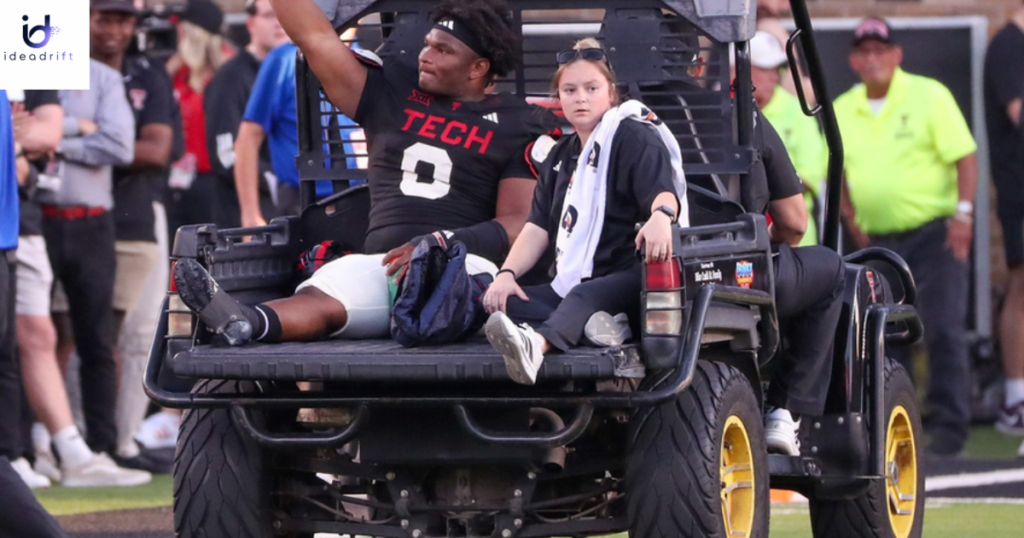
Injuries are an unavoidable part of both real and fantasy football seasons. Losing key players can drastically impact a team’s chance of winning matchups. Without IR spots, managers face difficult choices about whether to drop star players.
IR spots offer a critical solution by letting managers stash injured players safely. This allows for competitive balance, as teams can avoid losing valuable assets. It also encourages active participation by keeping managers engaged with waiver moves.
Optimal Number Of IR Spots For Different Leagues
The ideal number of IR spots depends on the league size and competition level. Standard leagues with 10–12 teams usually provide one or two IR slots. This strikes a balance between flexibility and maintaining active roster management. Too many IR spots can reduce the challenge of weekly decision-making.
Larger leagues, with 14 or more teams, often need more IR spots for balance. These leagues typically allow two to three IR spots to maintain fairness. A larger player pool means fewer waiver options, so IR flexibility is vital. Managing injuries without enough IR spots can lead to season-derailing roster decisions.
Dynasty leagues and keeper leagues often allocate three to five IR spots for players. These leagues emphasize long-term planning, so additional flexibility is important. Managers can store injured stars or developmental prospects without sacrificing depth. More IR spots encourage strategic patience while still allowing for active waiver moves.
- Too many IR spots reduce waiver wire activity and league engagement.
- Standard leagues often use 1–2 IR spots for balanced roster management.
Different IR Spot Configurations In Fantasy Leagues
Standard fantasy leagues often feature one to two IR spots for injured players. This setup provides enough flexibility without undermining active roster management strategies. Managers must still make tough decisions but have a buffer for key injuries.
Larger or more competitive leagues may offer two to three IR spots instead. These leagues require additional flexibility due to limited waiver wire player options. More IR spots allow managers to hold onto injured stars without losing depth.
Strategic Impact of IR Spots on Roster Management
IR spots significantly influence how managers approach the fantasy football draft. In leagues with multiple IR spots, managers may draft injury-prone stars more confidently. Players like Christian McCaffrey or Saquon Barkley become less risky investments. Managers can also focus on depth players who can fill in during injuries.
Roster management throughout the season is also shaped by the number of IR spots. Leagues with limited IR spots force managers to make a tough drop or hold decisions. This leads to more waiver wire activity and a dynamic trade market. In contrast, leagues with abundant IR spots see less player movement overall.

Trades become a critical part of strategy when IR spots are considered carefully. Managers with injured stars may trade for short-term production from other teams. Those with extra depth can target teams burdened by injuries in trade offers. IR spots add another layer of complexity to trade negotiations and team-building.
- IR spots let fantasy managers stash injured players without dropping them.
- They provide flexibility during the season, ensuring competitive fairness and balance.
- Too few IR spots force managers to drop valuable players prematurely.
How IR Spots Affect Competitive Balance and Engagement
Too many IR spots can dilute competitive balance by reducing roster turnover. Managers may hoard injured players, reducing the available talent on waivers. All teams lose weekly engagement as a result of less waiver activity. An ideal league setup encourages both roster management and waiver wire interaction.
On the other hand, too few IR spots can punish managers with bad injury luck. A team losing multiple stars to injury may have no choice but to drop them. This can create an unfair advantage for healthier teams, hurting overall competition. Providing enough IR spots ensures that managers can still compete despite injuries.
Active participation is the lifeblood of a successful fantasy football league. IR spots can either enhance or hinder engagement depending on how they’re used. Well-designed leagues use IR spots to encourage thoughtful decisions, not passive management. A balanced approach keeps managers invested, improving the experience for everyone.
Strategic Use Of IR Spots In Roster Management
The strategic use of IR spots begins during the draft when building a roster. Managers can draft players with injury concerns, knowing they can stash them later. This allows for higher upside picks while minimizing risk when injuries occur.
Throughout the season, IR spots also affect weekly roster decisions and trades. Managers can use them to store key players and seek short-term replacements. This approach enhances trading flexibility, allowing for strategic roster adjustments.
- Deep or dynasty leagues typically offer 3–5 IR spots for flexibility.
- IR spots allow managers to draft injury-prone players with less risk.
- They encourage more strategic decisions during drafting, trading, and waiver moves.
- IR spots help teams remain competitive despite facing multiple injury setbacks.
- Proper IR spot allocation keeps managers engaged throughout the entire season.
FAQ’s
How many IR spots should standard fantasy football leagues have?
Most standard leagues have 1 to 2 IR spots for balanced flexibility. This allows managers to stash injured players without limiting active roster moves.
Can players marked “Out” be placed in IR spots?
It depends on league rules, but many leagues allow “Out” players in IR spots. Check your league settings to ensure compliance with the eligibility requirements.
Why do dynasty leagues need more IR spots than standard leagues?
Dynasty leagues often use 3 to 5 IR spots due to long-term planning needs. Managers can stash injured players and develop prospects without dropping key players.
Do too many IR spots reduce waiver wire activity in fantasy football?
Yes, having too many IR spots can reduce player turnover on waivers. This may decrease league engagement and make the season less competitive overall.
Should IR spots be adjusted for special circumstances like COVID-19?
Yes, leagues should consider adding IR spots during health-related disruptions like COVID-19. This ensures fairness when players are unavailable due to uncontrollable factors.
Conclusion
IR spots are essential for maintaining fairness and balance in fantasy football. They provide managers with the flexibility to handle injuries without sacrificing roster depth. The right number of IR spots depends on league size and competition level. Too few spots can punish teams with injuries, while too many reduce strategy.
Strategic use of IR spots can influence draft choices, trades, and waiver moves. Managers can draft injury-prone stars, confident they have backup options available. IR spots also encourage active participation, keeping leagues competitive and exciting. Leagues with well-managed IR spot systems see increased manager engagement and roster activity.
Ultimately, determining the right number of IR spots requires thoughtful consideration by commissioners. League settings should reflect the needs of participants while promoting fair competition. IR spots should provide flexibility without making roster management too easy or passive. Striking the right balance keeps managers engaged and ensures a more enjoyable season.
Read more informational Articles in ideadrift.site