

Securing sponsorship in individual sports is essential for athletes’ success. With sponsorship, athletes can cover training, travel, and competition expenses. It also offers visibility and exposure through the sponsoring brands. However, getting a sponsorship requires more than just athletic skill. This process involves building a personal brand and strategic outreach.
Sponsorships provide crucial financial and professional support for athletes. In competitive sports, securing sponsorship can help cover various operational costs. Athletes need to promote themselves effectively to attract potential sponsors. Building a strong, authentic offline and online presence is vital for success. Sponsorships can open doors to numerous opportunities and career advancement.
Athletes in individual sports often struggle with the high costs of competition. Sponsorships are a way to alleviate financial burdens and gain valuable exposure. Achieving sponsorship requires careful planning, networking, and persistence in building relationships. It takes a compelling sponsorship proposal to attract the right partners. Developing a clear value proposition is essential to securing these deals.
Table of Contents
Building A Strong Personal Brand
Building a personal brand is crucial for attracting potential sponsors. Athletes should focus on developing a consistent image across all platforms. Your persona should reflect your values, style, and competitive nature. Engaging with your audience on social media can significantly boost visibility. Sponsorships often follow when brands recognize your authenticity and reach.
A strong social media presence is essential for brand visibility. Platforms like Instagram and TikTok can showcase your training, competitions, and lifestyle. Post consistently and engage with your followers to build trust and loyalty. The more your audience connects with you, the more valuable you become to sponsors. Regular updates keep you in the minds of potential sponsors.

Additionally, creating a personal website can serve as a professional portfolio. Include detailed bios, photos, and achievements to enhance your credibility. Your website can act as a one-stop resource for potential sponsors. Having a centralized platform to showcase your journey is essential. A well-crafted website makes you appear more professional and approachable.
Define Your Unique Selling Point
Your unique selling point (USP) sets you apart from others. Identify qualities that make you distinctive in your sport and community. It could be your story, performance record, or fan engagement. Sponsors are more likely to invest in athletes with a clear, unique identity.
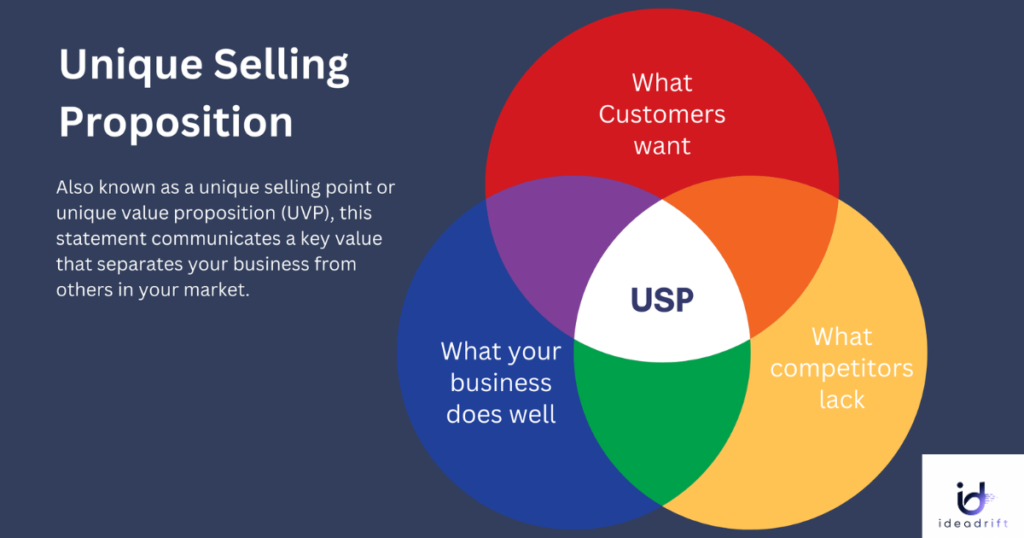
Focus on what makes you memorable to fans and sponsors. To connect emotionally, emphasize your personal journey, struggles, and achievements. Your USP can highlight your passion, work ethic, or dedication to excellence.
Develop a Professional Sponsorship Proposal
A well-crafted proposal is essential for attracting potential sponsors to your brand. Clearly state what you offer and what you expect in return. Include details about your social media presence, audience demographics, and engagement.
Be specific about your accomplishments and past media coverage. Showcase your achievements, including statistics, rankings, and recognition in your sport. Provide sponsors with measurable outcomes they can expect.
Finding the Right Sponsors
Identifying the right sponsors is key to securing long-term partnerships. Research brands that align with your sport and values. Start by targeting companies that already sponsor athletes in your field. Look for companies with a similar target audience or marketing goals. These brands are more likely to see the value in supporting you.
Don’t limit your search to companies directly related to your sport. Brands from the lifestyle, nutrition, or health industries often make great sponsors. Explore local businesses that want to increase visibility through your sponsorship. Make sure their values and missions align with yours for a successful partnership. Sponsorships built on shared values tend to be more rewarding and lasting.
Once you’ve identified potential sponsors, approach them with a tailored pitch. Craft a sponsorship proposal that clearly outlines mutual benefits. Be specific about what you can offer in terms of visibility and engagement. Demonstrate how partnering with you will help them achieve their goals. Personalized outreach shows effort and increases the chances of success.
Use Social Media to Boost Visibility
Social media has become a key tool for athlete visibility and engagement. Regular, engaging posts allow you to connect directly with your fanbase. Share behind-the-scenes content, training updates, and personal insights to humanize your brand.

Utilize platforms like Instagram, Twitter, and YouTube to showcase your talents. Create videos and posts that highlight your athletic achievements and personality. Sponsors are attracted to athletes with a strong online presence.
Nurture Sponsor Relationships Over Time
Securing a sponsorship is just the beginning of a long-term relationship. Communicate regularly with your sponsors to keep them updated on progress. Show appreciation by acknowledging their support in your posts and public appearances.
Share your successes and milestones with sponsors to highlight their investments. Sponsors want to know that their support is helping you grow. Demonstrate your commitment to the partnership through consistent performance and professional conduct.
- Regularly post engaging content on social media platforms.
- Choose brands that share your personal and professional goals.
- Clearly outline mutual benefits and potential exposure for sponsors.
- Build relationships with fans to increase visibility and loyalty.
- Provide measurable outcomes to sponsors to demonstrate success.
FAQ’s
What is individual sports sponsorship?
Individual sports sponsorship involves brands supporting athletes financially or with products. It helps athletes cover expenses like travel, training, and equipment costs.
How do I approach potential sponsors?
Start by identifying brands that align with your sport and values. Reach out via email, social media, or personal contacts for introductions.
What should be included in a sponsorship proposal?
A proposal should highlight your achievements, audience, and sponsorship benefits. Include specific deliverables like social media mentions and appearances at events.
How do sponsors measure return on investment (ROI)?
Sponsors measure ROI through exposure, engagement, and sales impact from campaigns. Provide detailed performance metrics, such as social media reach and interactions.
How can I maintain a relationship with sponsors?
Update sponsors regularly on your progress and successes in the sport. Show appreciation by mentioning them in posts and acknowledging their support.
Conclusion
The importance of individual sports sponsorship cannot be overstated. It requires careful planning, strong personal branding, and targeted outreach. An athlete’s dedication, professionalism, and potential to provide exposure attract sponsors.
Building relationships with sponsors is just as important as securing them. Maintaining regular communication with sponsors is key to long-term success. Deliver on promises and consistently demonstrate your value to ensure continued support.
Ultimately, successful sponsorships rely on mutual benefits, clear expectations, and shared goals. Maintaining your brand and demonstrating your worth can lead to long-term success. Your chances of attracting and retaining sponsors increase with the right steps.