

Singing is an expression of emotion through sound and rhythm. Often considered an art form, singing also involves physical exertion and technique. Many professional singers train their bodies and voices to reach perfection. As a result, the question arises: is singing a sport? This question challenges our understanding of the relationship between athleticism and artistic expression.
Singing requires more than just talent; it demands discipline and physical control. Like athletes, singers engage in intense training to develop their skills. The vocal cords are muscles that need regular conditioning and care. Some question whether singing can be considered a sport after such rigorous preparation. Understanding this connection can reshape how we view musical performance.
Singing is an activity that combines artistic creativity and physical endurance. While it may seem different from traditional sports, singing requires stamina and strength. Professional singers undergo extensive training to maintain vocal health and power. Their dedication to technique mirrors the commitment of athletes in competitive sports. This raises the intriguing possibility of singing being a sport in its own right.
Table of Contents
The Physical Demands of Singing
Singing requires the coordination of various muscle groups throughout the body. The diaphragm, lungs, and vocal cords are central to producing sound. Breath control is essential to sustain notes and maintain vocal power. Singers often train for endurance, strengthening their muscles and improving stamina. This physical conditioning is comparable to athletic training for other sports.
The vocal cords themselves are muscles that need constant exercise. Without proper training, these muscles can become strained or damaged over time. Just like athletes need to protect their joints, singers must care for their vocal cords. Consistent warm-ups and vocal exercises prevent vocal fatigue and injury. Professional singers focus on building strength, endurance, and flexibility in their voices.

In addition to vocal training, posture plays a vital role in singing. Proper posture ensures that air flows smoothly through the lungs and vocal cords. Singers must engage their core muscles to maintain stability while singing. This emphasis on physical positioning mirrors the attention athletes give to form. Maintaining good posture helps singers control their breath and projection during long performances.
- Singing requires physical exertion, especially in breath control and vocal projection.
- Like athletes, singers train their muscles to strengthen vocal cords and diaphragm.
The Role of Breath Control in Singing
Breath control is essential for sustaining notes and achieving vocal power. Singers must learn how to manage airflow for longer phrases. Proper breathing prevents vocal strain and helps maintain tone consistency.
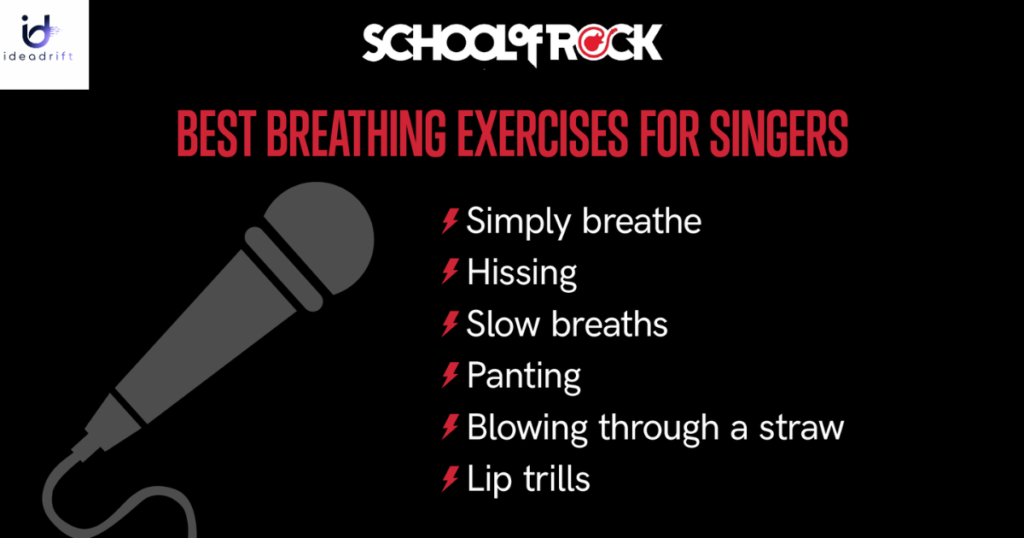
Training breath control involves exercises to strengthen the diaphragm and lungs. Singers practice diaphragmatic breathing to increase lung capacity and stability. Controlled breathing allows the voice to sound more powerful and steady.
Endurance and Stamina in Singing
Just like athletes, singers need endurance to perform at their best. Professional singers often perform for hours, requiring sustained vocal energy and focus. Concerts and operas can last several hours, testing a singer’s stamina. A singer’s voice would lose power and clarity without endurance. This makes stamina training just as important as vocal technique.
Breathing techniques are crucial for maintaining vocal strength during extended performances. Singers practice controlled, deep breathing to avoid running out of air. The ability to regulate breath ensures consistent vocal output without tiring too quickly. Similar to how athletes pace themselves, singers learn to manage their energy. Building stamina allows them to sing for extended periods without compromising quality.
Performing multiple times a week requires mental and physical resilience. Singers must recover from performances and prepare for the next one. This constant cycle of rehearsals and shows tests a singer’s endurance over time. Just as athletes experience physical fatigue after games, singers need rest to recharge. Adequate recovery ensures long-term vocal health and performance quality.
- Proper posture is essential for optimal airflow and vocal performance.
- Endurance is necessary for long performances, similar to an athlete’s stamina.
Training the Voice as an Athlete
Like athletes, singers undergo extensive training to develop their skills. Vocalists spend hours practicing scales, exercises, and songs to build range. They focus on strengthening vocal muscles, just as athletes improve their bodies.

Vocal warm-ups and cool-downs prevent damage to the vocal cords. This preparation mimics the stretching and recovery athletes do before and after workouts. With proper training, singers can reach higher notes without straining and perform for longer periods of time.
The Mental Toughness of Singers
Mental focus is essential for both athletes and singers to succeed. Singers must regularly overcome stage fright, nerves, and performance anxiety. Maintaining confidence and concentration during live performances is crucial for success. The mental toughness required to perform under pressure is akin to sports competition. Singers develop strategies to manage stress and focus on their craft.
Like athletes, singers face the risk of burnout due to overwork. Constant rehearsals, performances, and travel can take a toll on their mental health. Balancing career demands with personal well-being is essential to avoid mental fatigue. Singers often work with coaches or therapists to maintain psychological resilience. This aspect of mental conditioning is similar to how athletes manage stress.
Performing in front of a live audience also requires a strong mental game. Singers must focus on delivering their best performance while staying composed. The ability to execute flawlessly despite distractions or pressure is vital. Singers build mental strength over time, much like athletes do in their careers. This psychological endurance helps them continue to perform at their highest level.
- Singers undergo rigorous practice routines, refining their vocal technique over time.
- Vocal warm-ups and cool-downs prevent strain and injury to vocal cords.
The Psychological Strength Required for Singing
Singers need mental strength to handle the pressures of public performances. Overcoming stage fright and anxiety is crucial for a successful performance. Singers often work with vocal coaches or therapists to build confidence.
Maintaining focus during a performance is essential for delivering a flawless show. Singers must block out distractions while staying in tune and on tempo. Their ability to stay calm under pressure directly affects their performance.

- Mental focus and psychological resilience are key to delivering strong performances.
- Singers, like athletes, face the risk of burnout from constant rehearsals.
- Breath control training improves the ability to sustain long, powerful notes.
- Singers develop stamina through consistent practice and performance schedules.
- Competing in singing competitions involves performing under pressure, like in athletic contests.
FAQ’s
Can singing be considered a sport?
Singing shares many physical and mental demands with sports. Like athletics, it requires breath control, stamina, and intense training.
How does singing require physical training?
Singers train muscles for breath control and vocal strength. This training involves exercises for stamina, posture, and vocal cord conditioning.
Is endurance important in singing performances?
Endurance is crucial for sustaining vocal power during long performances. Singers practice regularly to build stamina and avoid vocal fatigue.
Do singers experience mental challenges like athletes?
Yes, singers face performance anxiety and pressure, similar to athletes. Mental focus and resilience are essential for delivering strong, consistent performances.
How does a singer’s training compare to an athlete’s?
Both singers and athletes train their bodies to achieve peak performance. Like an athlete’s regimen, singers focus on voice control and physical conditioning.
Conclusion
In conclusion, singing shares many characteristics with traditional sports regarding physicality. Both singers and athletes undergo rigorous training to improve their skills. Like athletes, singers focus on breath control, stamina, and vocal strength. This training allows them to perform consistently at a high level. The discipline involved in singing mirrors that of professional athletes.
Mental resilience is another common trait between singing and sports. Like athletes, singers must overcome nerves, pressure, and performance anxiety. Maintaining focus and confidence is essential for both groups to succeed. Just as athletes manage their stress and mental toughness, singers do the same. Both singing and sports require psychological preparation to perform under pressure.
Singing may not be a sport in the traditional sense, but it shares many parallels with sports. Performing songs requires physical effort, endurance, and mental toughness. Whether performing on stage or competing in a game, both require years of dedication. Ultimately, singing could be seen as an art form with athletic qualities. The blend of creativity and physical effort makes it truly unique.